
MPPT Charge Controllers
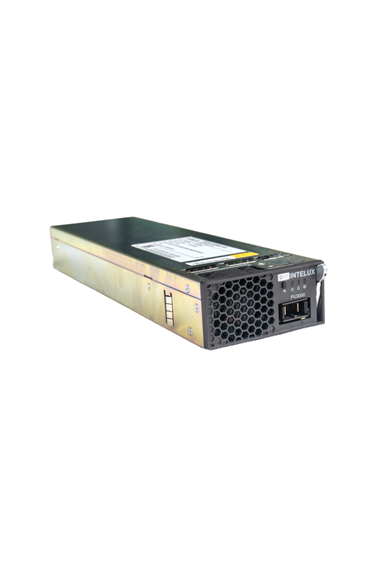
The MPPT Charger is a high-efficiency MPPT-based DC power conversion system designed for solar and hybrid power applications. It converts DC power from photovoltaic (PV) panels into regulated –48 V DC output, enabling reliable power supply for telecom, energy storage, and DC infrastructure systems.
Designed with advanced Maximum Power Point Tracking (MPPT) technology, the PU3000 ensures optimal energy harvesting from solar panels under varying environmental conditions. Its compact, high-efficiency architecture makes it ideal for modern telecom and renewable energy installations.
Construction Details:
- Compact modular design suitable for rack mounting
- High-efficiency power conversion topology with low power loss
- Integrated MPPT controller for maximum solar energy extraction
- Advanced thermal management for high-temperature operation
- Optimized airflow and cooling design
- Designed for continuous operation in harsh environments
Benefits:
- High-efficiency MPPT technology for maximum energy harvest
- Wide DC input voltage range for flexible solar array design
- High power density in compact 1U form factor
- High reliability with long operational life
- Built-in protection against surge, over-voltage, and over-current
- Compliant with global safety and EMC standards
Parameter | Specification |
Input Voltage Range | 50 V – 150 V DC |
Maximum Input Current | 37 A (50–125 V), 25 A (125–150 V) |
MPPT Tracking Accuracy | 99.9% |
DC Output Voltage | –42 V to –58 V (–54 V nominal) |
Maximum Output Current | 52 A |
Maximum Output Power | 3000 W |
Efficiency | Up to 98.5% |
Operating Temperature | –40°C to +75°C |
MTBF | >400000h |
Cooling Method | Forced air cooling |
Protection Features | Overvoltage, overcurrent, surge protection |
Ingress Protection | IP20 |
Dimensions (W×H×D) | 84.5 × 40.8 × 290 mm |
Weight | < 1.6 kg |
Applications:
- Solar power generation systems
- Telecom base station power supply
- Hybrid renewable energy systems
- Distributed energy storage systems
- Off-grid and backup power systems
- Telecom and data communication sites